Pages

Nuba Koalib

My photo
Abɽi/Delami/kalgi, South Kordofan, Sudan
This is for all the koalib community all over the world. welcome to share in the koalib cultures, traditions and language. it is fun to be together as one community. join in and let as share ideas. ezir wo weḏi koalib kwiri tatap ezir nana tatap

Yenuvǝ yeri

Feel free brothers and sisters to join the blog, it is like Amrǝ, in the olden days where our elders used to share sweet stories in the evenings around the fire place. it is our tribe and unity will be our savior.

Lieŋgeri, illari tatap ki amirǝ-na wô waalu. azir wô wiri kǝkǝ amirǝ withi kithǝŋw, wiṯi wi lizi lǝri andindazi kandiza kami kami laani igǝŋi kirakalu.

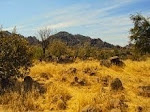
Yayin yǝri ( our mountains)

Yayin yǝri ( our  mountains)
Do you know this mountain? ŋa kwilŋithu ayini wu a?

Kandiza

ilar tatap liri kwolib ari nalu ki amira weri dong.

Sunday, April 8, 2012

Intergrated Koalib counting by Kwumi Sefedin


 This is the koalib counting system as modified by Kwumi Sefedin. It exists in audio, video and text. How do you like it. from 0-20 are left un modified. modification starts from 30 t0 infinity known as kwandilu.


1.    Kwette
2.    Kwuɽǝn
3.    Ṯɔɽol
4.    kwoɽŋon
5.    Ṯuthni
6.    Nyirlil
7.    Duva kwɔkɽǝny
8.    Duva kupa
9.    kunǝ Ṯurwri
10.  Wri
11. wri kwette
12. wri kwuɽǝn
13. wri Ṯɔɽol
14. wri kwoɽŋon
15. wri Ṯuthni
16. wri nyirlil
17. wri duva kwɔkɽǝny
18. wri duva kwupa
19. wri kunǝ ṯurwri
20.  Ṯuɽi
21. ṯuɽi  kwette
22. Ṯuɽi kwuɽǝn
23. ṯuɽi Ṯɔɽol
24. ṯuɽi kwoɽŋon
25. ṯuɽi Ṯuthni
26. ṯuɽi nyirlil
27. ṯuɽi duva kwɔkɽǝny
28. ṯuɽi duva kwupa
29. ṯuɽi kunǝ ṯurwri
30.  Ṯɔɽoli

Friday, February 4, 2011

koalib naming system

today i would like to analyze with you the koalib naming system,
the koalib have got a name system that is composed of twelve base names for boys and girls, that is twelve base names in total, six for girls and six for boys, these twelve names are base names from which other names can be derived, the names are kwokwo, kwodi, kalu, kwumi, kwotcho and kwunda for the boys and then
 Ama, kweni, kwitchi, Mbacha, Ambu and  kwoto for girls.
these are just the names from which many other names can be derived, for example take the name kwumi = kwumika, dumi, dumothy, mimi, tomi, remi, mimi, nyimi, tima, kiraw, biraw, etc, apart from these base names there are other many names that are got not necessarily got from the base names but are for people fallowing within the range of that number eg
bebesh, muthur, elbegel, jani, shebun, kithemba, etc
but what is happening to the naming system of the koalib today?
it is still common to find koalib people with their original names but they rarely write them down on official documents, something which begs a lot of questions , why have our people abandoned their identity? the names and the langaage give an identity to each society in the world, once they are lost then we can have a society with no culture and no basic norms and traditions that keep them apart from others. what should we do to save the situation?

Friday, September 17, 2010

Birkani among the koalib community, do you know it?

We it is a kind of a wish which the koalib people do before the harvest time, a man used to bring home what is a seed for the next year (ngebder), the an elder child to be the hear of a family is called, the mother makes some food, and the mix some flour with water and holds it in a calabash, the a man extends the ngwender ( seeds) inside to the child to hold, they are held by the three ( mother, child and father) and the wishes for the family are made. They may include the following
ayeway amundu were ( i wish i had a  gun)
ayeway kuway kwere( i wish i had a slave to work us)
ayeway ngerle ngere ( i wish i had wealth more than what we have today)
The list goes on and on depending on their wishes, then a calabash is left and water its contents pours out to seal off the wish, the child is the given a small bow and arrow as a sigh of protection for the land, he is advised to work very hard during the course of a new year in order to get all that they have wished for, that is how it happens, but today it i no more done, that may explain why our children these days are a little bit lazy, do you like it, let me know before i give you another thing?